 1
1 Pull a sheet
Each sheet of sauce comes wrapped in Nonna’s recipe. Unwrap it, read what she says, tear it into the pot.
Dehydrated sauce, by the sheet
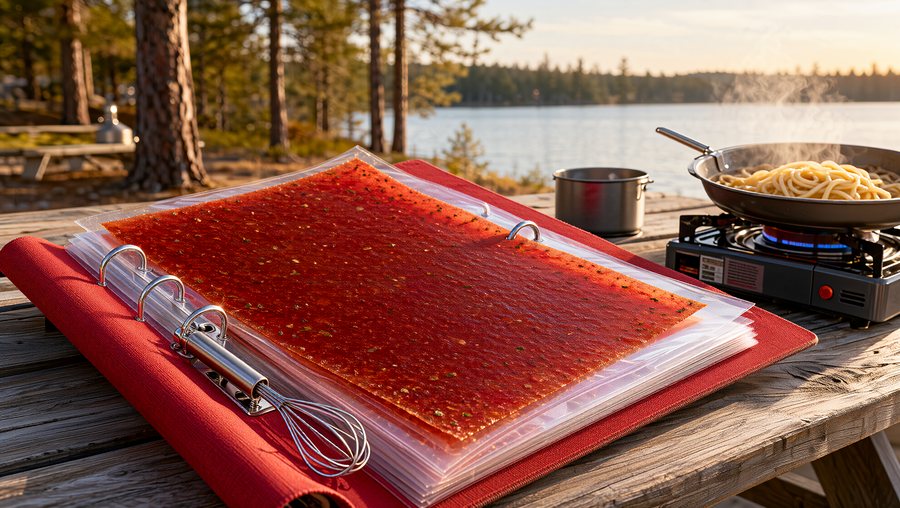
Real Italian sauces dried into thin sheets, each wrapped in Nonna’s recipe and filed in a binder with a mini whisk. Light enough for the trail, flat enough for a bookshelf, good enough to give, and good for up to two years on the shelf.
Our story
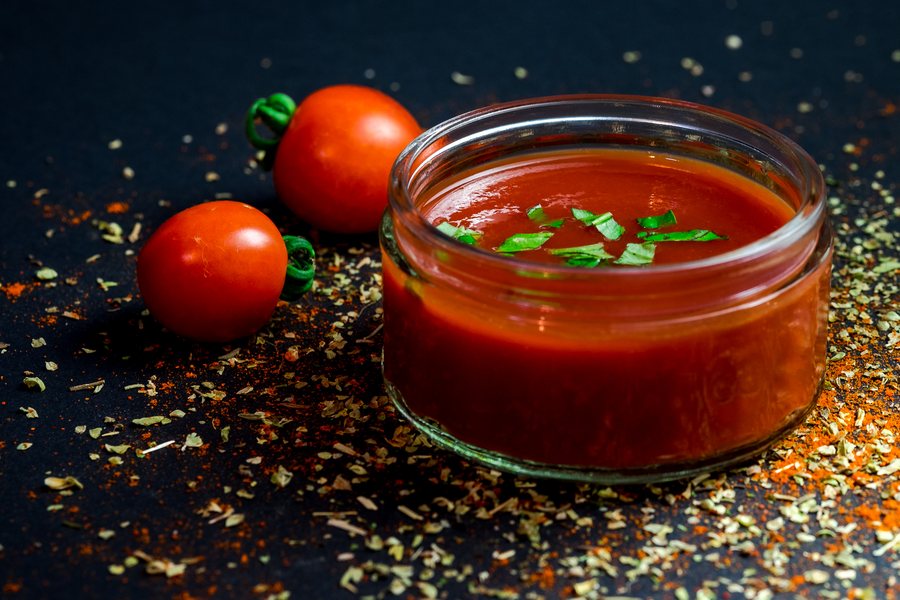
Nonnas don’t say “I love you” nearly as often as they say mangia. Mine was no different. Her love came in pots: sauce simmering all Sunday morning, a jar pressed into your hands on the way out the door, a second plate you never asked for. Of everything she made, her marinara was my favourite.
For a long time after her kitchen went quiet, I didn’t think much about the recipe. Then one night I tasted a marinara so close to hers that I had to put my fork down. That’s when I realised her sauce was worth keeping, and not just for a few days in the fridge. Longer than that. Long enough to share.
So I set out to make it last. That meant learning everything I could about drying food. My background is technical, so I took the standard dehydrator further, working on my own customisations to the usual setup until the sauce came back tasting the way it did on her stove, just flat enough to file in a binder.
Today her marinara, and the sauces that followed it, ship across North America. Every sheet still comes wrapped in a recipe, the way she would have handed it to you.
Grazie, Nonna.
How it works
1 Each sheet of sauce comes wrapped in Nonna’s recipe. Unwrap it, read what she says, tear it into the pot.
 2
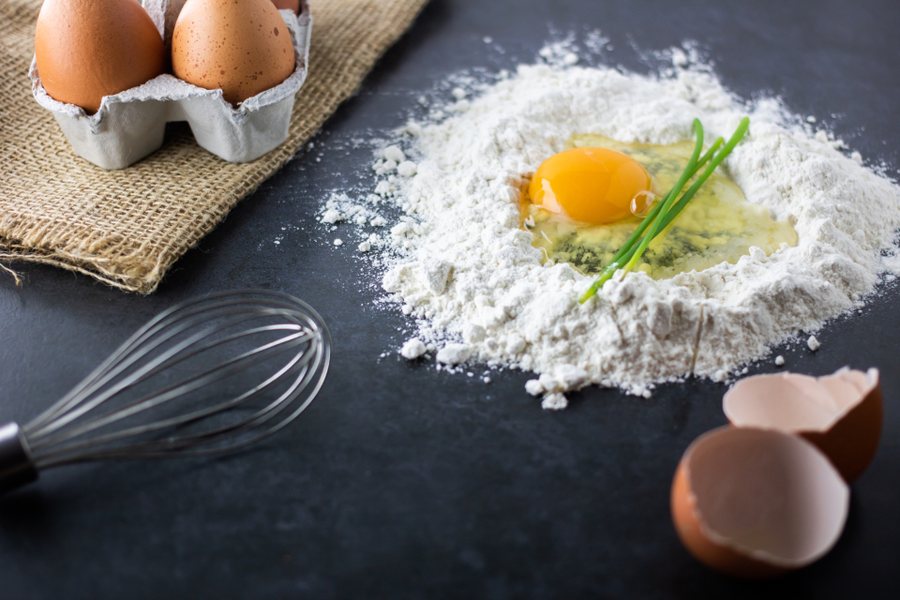
2 A splash of hot water or pasta water and the mini whisk from the binder. A minute later it’s sauce.
 3
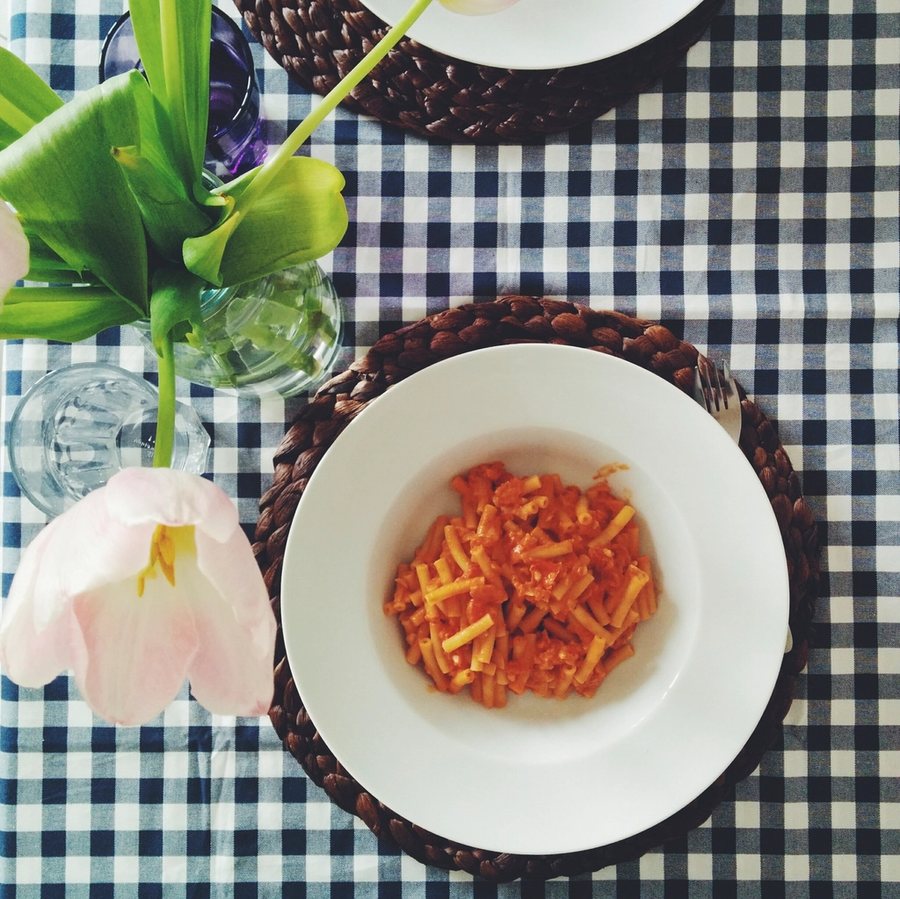
3 Toss it through pasta, spoon it over polenta, dip bread in it. On a mountain, in a van, in a studio flat.
The science
Every step is built to hold on to what makes a sauce taste like a sauce, and to keep it that way for a long time.
The sauce dries slowly at a low temperature, so the bright tomato and fresh herbs keep all of their flavour.
Each sheet is dried to the point where it naturally stays fresh, the same science that keeps dried pasta and herbs good in the pantry. That is what makes it shelf stable.
Every sheet is just the sauce and its herbs, oil-free, so it keeps its fresh taste for the long run. Add your favourite olive oil when you cook, the way Nonna would.
Every sheet is sealed to hold in its colour, aroma and flavour until the moment you cook.
We took standard dehydrators further with our own modifications, for even, consistent drying in every batch.
The sauces
Every sheet is wrapped in the recipe Nonna would make with it, from spaghetti to polenta.
Where it started. Tomato, garlic, oregano and basil, the way she made it.
Nonna’s recipe: Spaghetti alla marinara
Tomato and garlic with a proper chilli kick.
Nonna’s recipe: Penne all’arrabbiata
Sweet, bright tomato with a lot of basil.
Nonna’s recipe: Fresh tagliatelle al pomodoro
Tomato, oregano and garlic, made for meat or bread.
Nonna’s recipe: Steak or eggs alla pizzaiola
Slow sweet peppers and tomato.
Nonna’s recipe: Polenta with peperonata
Porcini, tomato and thyme.
Nonna’s recipe: Rigatoni ai funghi
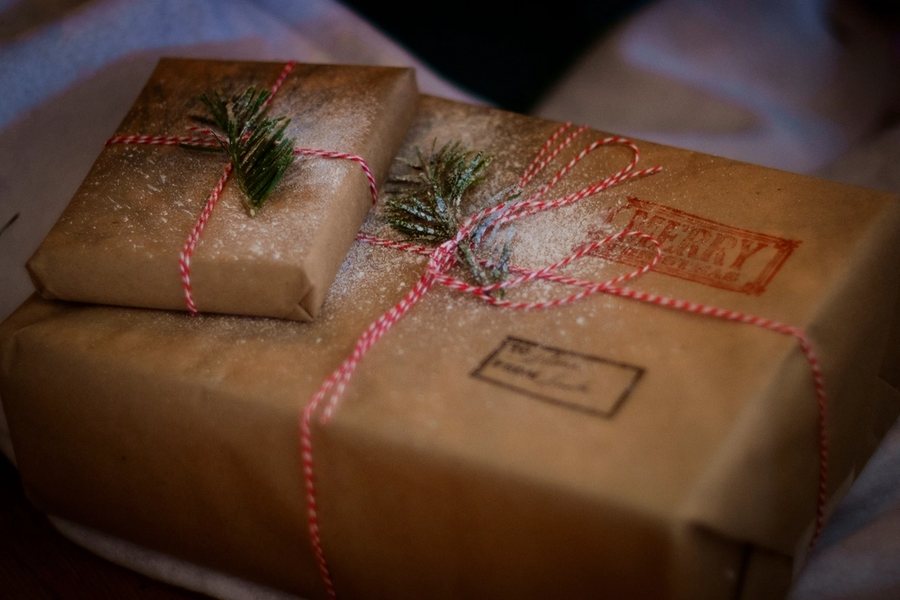
The binder
Wrapped in twine, it’s the gift for the camper, the cabin owner, the new apartment, the person who misses their nonna.
Refills
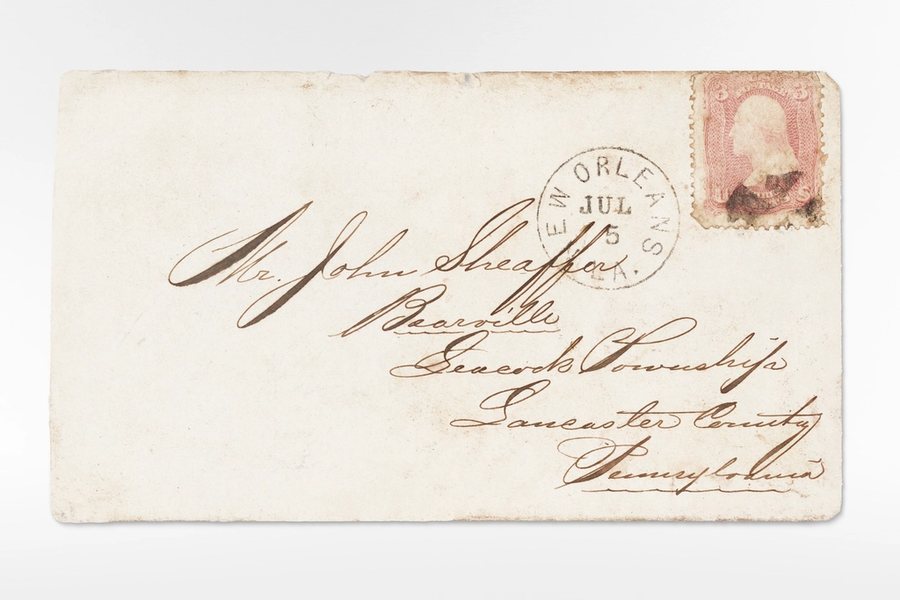
Refill sheets come in flat envelopes that slip through a mail slot. File them in the binder and you’re stocked again.
Meet Nonna
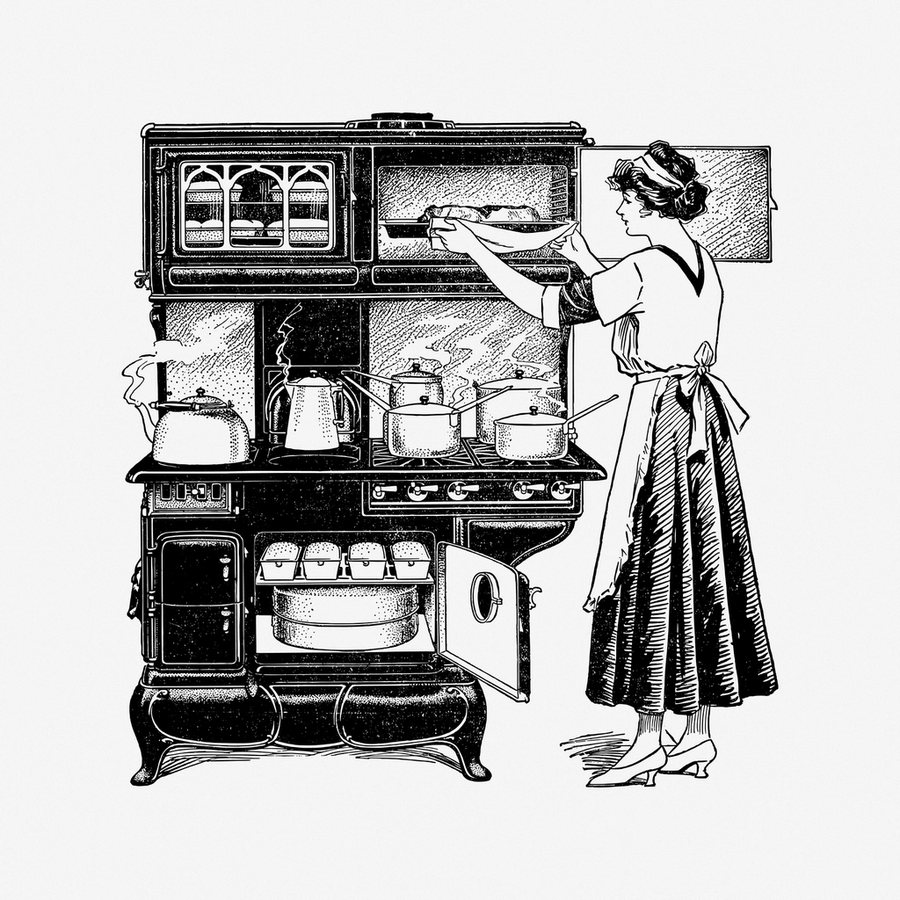
Not a campsite, not a cabin with one burner, not your first apartment. Nonna writes the recipe that wraps every sheet: what to cook it with, how long, and what she’d tell you while you stir.
“If you can boil water, you can make my sauce.”
First binders, coming soon
We’ll write once when the first binders are ready, and again if there’s something worth knowing. That’s it.